
SBS Modified Bitumen for Downtown Lancaster's Older Building Stock
A lot of the building stock around Central Market and the convention center district downtown, along with the older commercial buildings in Columbia and Marietta, sit on complex, penetration-heavy roofs where SBS modified bitumen's flexibility and multi-ply redundancy still make sense. This page covers where we spec it and how a modified bitumen bid differs from a single-ply proposal.
Why Older Downtown Roofs Favor a Multi-Ply System
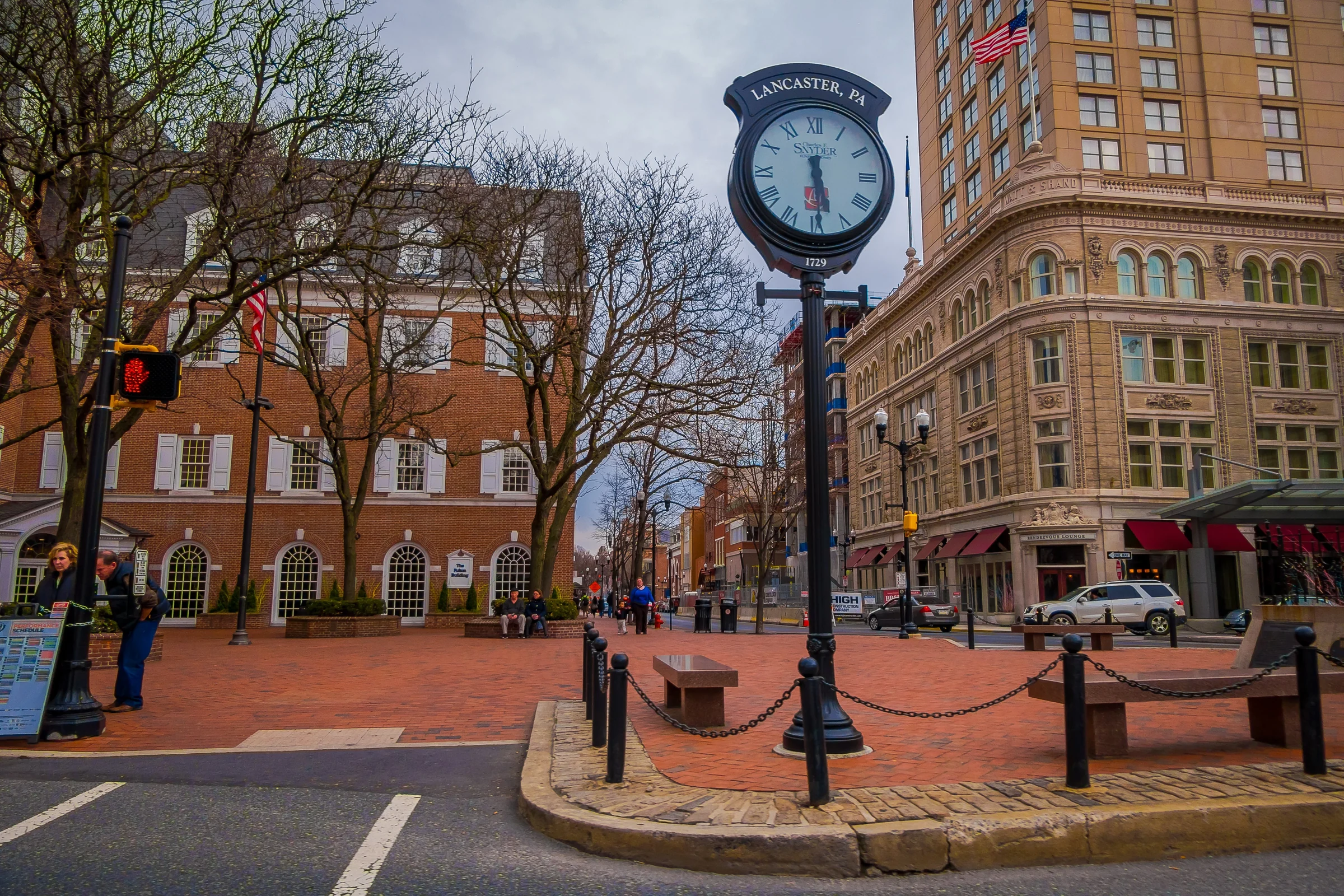
Downtown Lancaster's commercial buildings near Central Market, the hotels and offices serving the convention center, and the older brick low-rise stock throughout the historic district often have roofs cut up over the years by additions, mechanical penthouses, and party-wall configurations that a single continuous membrane sheet doesn't always detail cleanly around. SBS modified bitumen's multi-ply, torch- or cold-applied assembly handles complex flashing transitions and irregular geometry with a level of built-in redundancy that a lighter single-ply system doesn't offer at the same price point.
The granulated cap sheet finish also matches the aesthetic expectation on some downtown properties better than a smooth membrane, particularly on buildings with rooftop visibility from adjacent taller structures near the convention center corridor.
Columbia and Marietta's Riverfront Commercial Buildings
Columbia and Marietta both carry a legacy of riverfront commercial and light-industrial buildings along the Route 30 corridor, many with roofs that have been patched and re-patched over decades rather than fully replaced. Modified bitumen's compatibility with older asphalt-based systems makes it a practical recover option on these buildings, since a new SBS cap sheet can often go over sound existing built-up roofing without the full tear-off a single-ply switch would require.
We survey the existing roof's ply count and condition before recommending a recover, because a building with three or four already-failing asphalt layers underneath needs a different conversation than one with a single sound base layer that can support a new cap sheet.
Torch-Applied Versus Cold-Applied: What Goes in the Bid
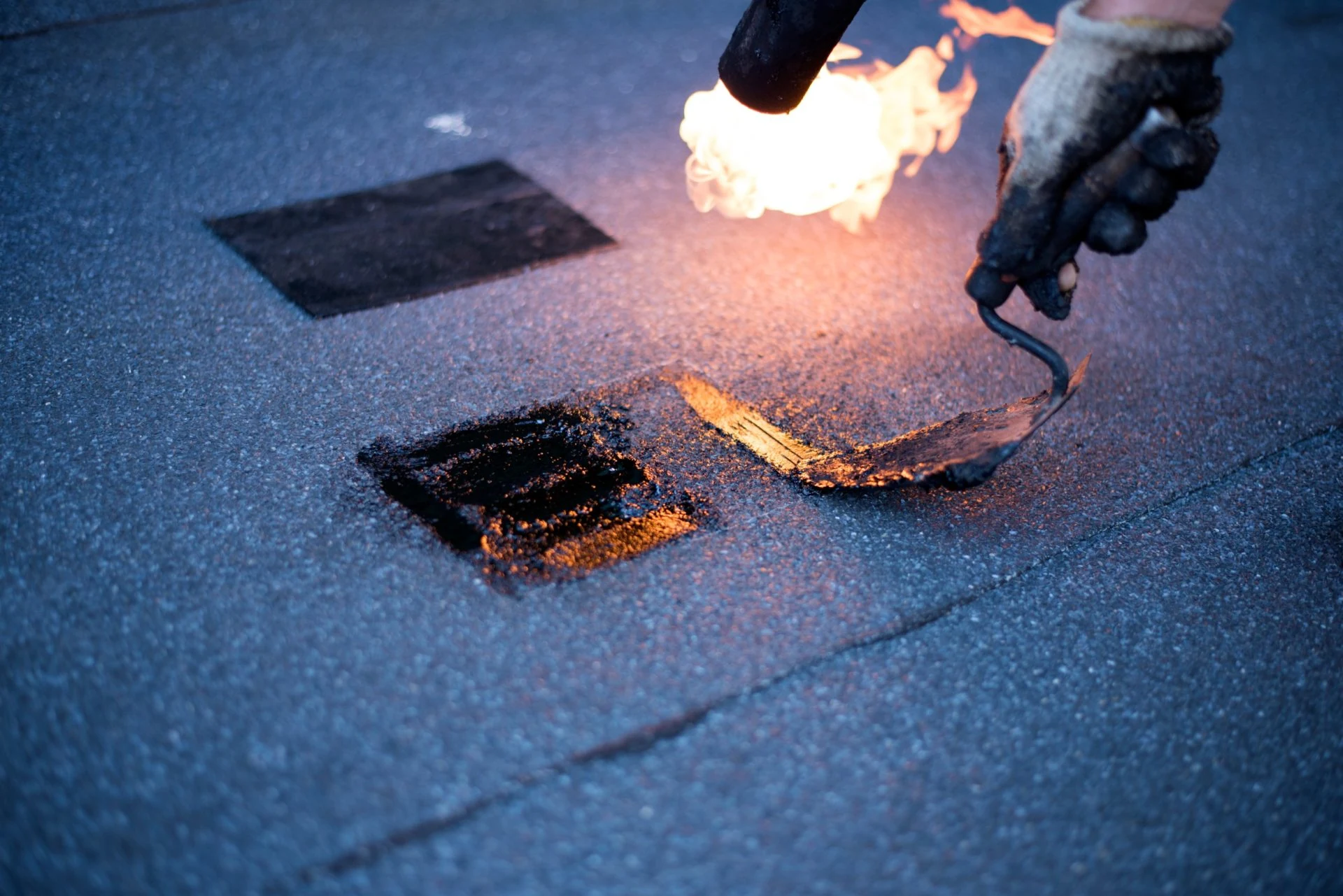
Torch-applied SBS uses an open flame to melt the modified bitumen's backing and bond it to the substrate, which is fast and produces a strong bond but requires fire-watch protocols that matter more on occupied downtown buildings with tenants below and adjacent structures close enough to raise real fire-safety concerns during installation.
Cold-applied and self-adhered SBS systems eliminate the open-flame risk at a cost and, in some cases, performance trade-off. On occupied downtown buildings, particularly those near the convention center with hotel guests or ground-floor retail tenants below, we typically price both options and let the owner weigh the fire-safety and disruption difference against material cost.
Items that differ between a torch-applied and cold-applied SBS bid:
- Fire-watch staffing and duration requirements for torch-applied work
- Tenant notification and temporary relocation needs during flame-based installation
- Material cost difference between torch-grade and self-adhered SBS product lines
- Substrate compatibility and primer requirements for cold-applied systems
- Insurance and liability considerations tied to open-flame work on occupied buildings
Freeze-Thaw and Ponding on Older Downtown Roofs
Older downtown buildings frequently have less slope than current code would require on new construction, and that shallow pitch means ponding water sits longer through a winter thaw cycle than it would on a newer building's roof. Repeated freezing and thawing in a ponded area accelerates granule loss and seam stress on an SBS cap sheet faster than anywhere else on the field.
We flag persistent ponding areas during the initial survey and price tapered insulation or additional drainage as an alternate wherever the existing structure and parapet height allow it, rather than simply re-covering a drainage problem with new material and letting it recur.
Working Within a Historic District Review Process
Some of the downtown Lancaster properties near Central Market fall inside a locally designated historic district, which can add a design review step before exterior work, including roofing that's visible from the street or from adjacent buildings, gets a final go-ahead. We flag that possibility early in the proposal process for any downtown address and build the likely review timeline into the project schedule rather than assuming a standard permit turnaround applies.
Cap sheet color and granule finish occasionally come up in that review on buildings with street-level visibility, and we can typically match a replacement roof's appearance closely enough to satisfy a design review board without meaningfully changing the specification's performance.
Common Questions on SBS Modified Bitumen
Can modified bitumen go directly over an existing built-up roof?
Often yes, if the existing plies are dry and structurally sound. We confirm ply count and condition with a survey before recommending a recover over full tear-off.
Is torch-applied SBS safe on an occupied downtown building?
It can be done safely with proper fire-watch protocols, tenant notification, and coordination with the building's fire-safety systems, but we present the cold-applied alternative for owners who prefer to avoid open flame near occupied space.
How long does SBS modified bitumen typically last?
Fifteen to twenty-five years depending on ply count, cap sheet quality, and maintenance, comparable to or exceeding many single-ply systems when properly detailed and maintained.
Does modified bitumen handle low-slope roofs better than single-ply?
Its multi-ply redundancy provides more margin against ponding-related wear on shallow-pitch roofs, though we still recommend correcting drainage where possible rather than relying on membrane redundancy alone.
What's included in a modified bitumen bid package?
Ply count and product data for each layer, application method, fire-safety plan if torch-applied, insulation specification, and manufacturer warranty terms, the same level of documentation as any single-ply submittal.
PVC for Wash-Bay, Auction Yard, and Ag-Processing Roofs
Explore this commercial roofing scope
Silicone Coatings for Aging Roofs Along the Hospitality and Ag-Dealer Corridors
Explore this commercial roofing scope
Spray Foam for Irregular Rooflines on the Tourism Corridor
Explore this commercial roofing scope
60-Mil TPO for Lancaster County Distribution and Cold-Storage Roofs
Explore this commercial roofing scope