
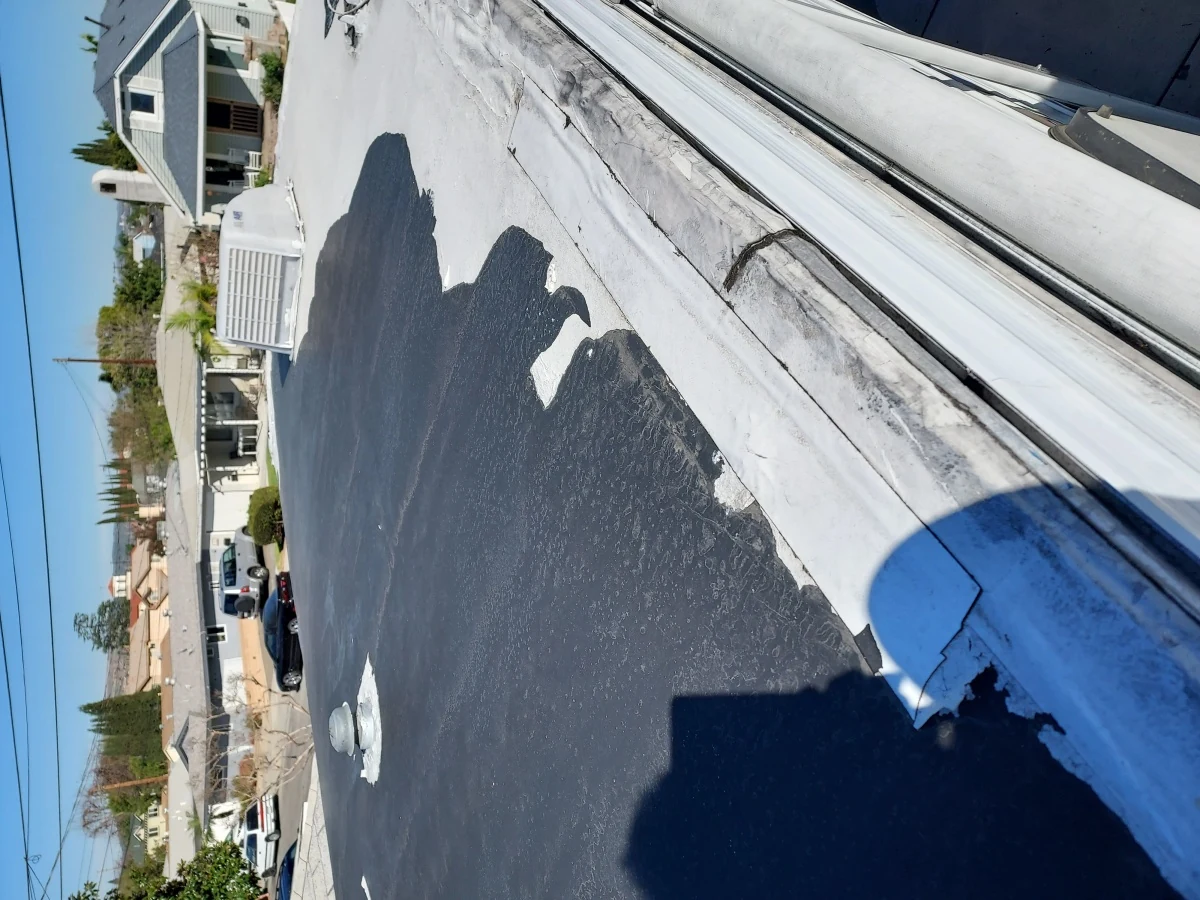
Black EPDM for Occupied Senior Living Campuses
Willow Street, New Holland, and Lititz carry some of the largest continuing-care and senior-living campuses in this part of the state, and a lot of the connected buildings on those campuses still run black EPDM. This page covers why we still spec it on occupied care buildings and what changes when a roof crew works next to residents instead of an empty warehouse.
Why Black EPDM Still Fits Care Campuses
Continuing-care campuses around Willow Street and Garden Spot Village-type developments in New Holland are typically built out in phases over decades, and the older wings on those campuses often carry ballasted or fully adhered black EPDM from the original construction. Rubber's flexibility in cold weather and its tolerance for the kind of low-slope, multi-plane roof geometry common on campus buildings with connected corridors and varied wing heights are why it's stayed in the spec long after TPO became the default on simpler warehouse fields.
Black membrane also absorbs winter heat, which is a real, if modest, advantage on residential wings where interior comfort during a Lancaster County cold snap matters more to the operator than summer reflectivity. We size membrane color against the building's actual heating and cooling profile rather than defaulting to white because it's become the industry assumption.
Phasing Reroof Work Around Residents, Not an Empty Building
A care campus reroof is not a single mobilization. Buildings stay occupied through the entire project, residents and staff move between wings on a schedule that doesn't pause for roofing, and dining halls, therapy suites, and resident rooms sit directly under whatever section of roof is open on a given day.
We break these projects into a phased sequence tied to the operator's own reserve study and capital calendar, often across multiple budget years rather than one contract. Each phase gets its own dry-in plan, noise window, and interior-protection scope reviewed with the facility's administration before a schedule is finalized, not after work has already started on the first wing.
Life-safety egress paths, HVAC intake locations, and any rooftop equipment serving medical or life-support systems get flagged before demolition, because a temporary shutdown that would be a minor inconvenience on an office building can be a genuine problem on a care campus.
Seam and Flashing Detail on Multi-Wing Buildings
Campus buildings built out over decades accumulate transitions between roof sections added at different times, each with its own membrane age and flashing style. A black EPDM recover on one wing has to tie cleanly into an adjacent section that may already be TPO or a different EPDM generation, and that transition detail is where these projects most often go wrong if it isn't planned in advance.
Adhesive-seamed EPDM requires more careful lap preparation than a welded TPO seam, and on a campus with limited crane access between connected buildings, we plan material staging and seam sequencing around the site's actual circulation pattern rather than assuming open yard space that campus buildings rarely have.
What we confirm before starting a black EPDM phase on an occupied care building:
- Adjacent wing roof age, membrane type, and existing transition detail condition
- Life-safety egress paths and any rooftop equipment tied to medical systems
- Noise and vibration windows approved by facility administration
- Interior protection plan for occupied space directly below the work area
- Reserve study alignment so phasing matches the operator's approved capital budget
- Material staging plan for sites with limited yard and crane access
Winter Performance and Freeze-Thaw on Care Campus Roofs
Lancaster County winters put the same freeze-thaw stress on a care campus roof as any other building in the county, but the consequences of a failure are higher when the space below is a resident room instead of a storage bay. We prioritize drain and gutter inspection on these roofs before winter each year, since a clogged drain on a campus building can back up quickly across a large connected roof field and a shutdown for emergency repair is disruptive to a way that's hard to reschedule around.
Ballasted sections in particular need periodic stone redistribution checks, since wind and foot traffic during maintenance calls can shift ballast toward drains and away from high points over a period of years without anyone noticing until a heavy rain reveals the problem.
Questions Facility Directors Ask About EPDM on Care Campuses
Can you reroof one wing while residents remain in adjacent buildings?
Yes, and that's the standard approach. We isolate each phase's noise, staging, and access from occupied wings and coordinate the schedule directly with facility administration before work begins.
Why not switch the whole campus to TPO during a recover?
Sometimes we do recommend that, particularly on simpler roof sections. On complex multi-plane geometry with many existing transitions, staying with EPDM can mean fewer new tie-in details to manage, which we weigh against TPO's welded-seam advantages case by case.
How do you handle a campus with multiple existing membrane types?
We document each wing's roof age and membrane separately and design transition details specific to each boundary rather than treating the campus as one uniform roof.
What happens if a leak occurs over a resident area during a phase?
We build emergency response into every occupied-building contract, with a defined point of contact and response time for any leak reported during active construction.
Do care campus reroofs typically qualify for prevailing wage rates?
It depends on the ownership structure and any public financing tied to the campus. We review that during the proposal stage and price labor against the correct wage determination when it applies.
60-Mil TPO for Lancaster County Distribution and Cold-Storage Roofs
Explore this commercial roofing scope
80-Mil TPO for Food Processing and Manufacturing Plant Roofs
Explore this commercial roofing scope
White EPDM for Healthcare and Cold-Adjacent Buildings
Explore this commercial roofing scope
SBS Modified Bitumen for Downtown Lancaster's Older Building Stock
Explore this commercial roofing scope