
Roofing for Warehouses and Bulk Storage Buildings
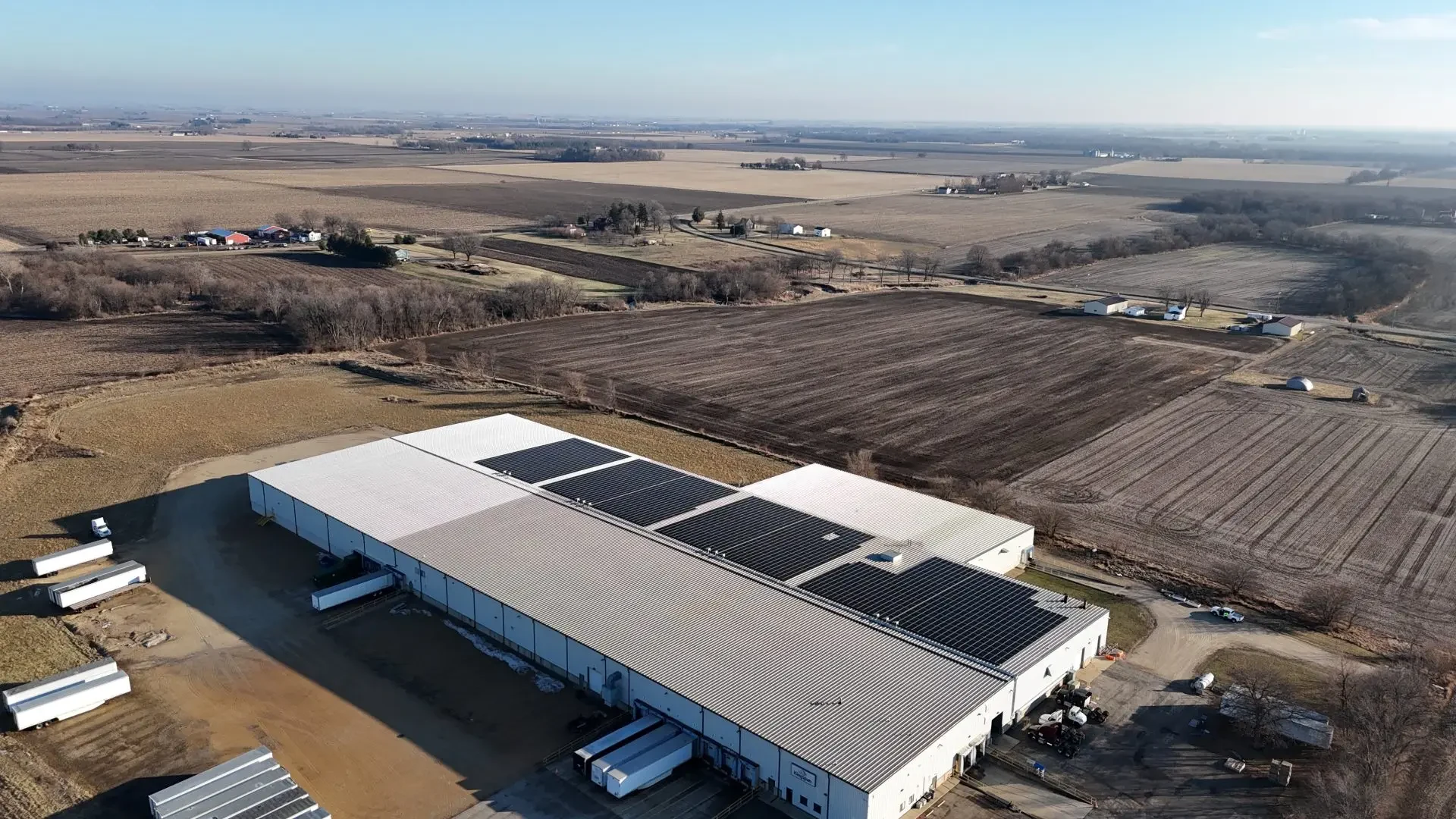
The warehouse stock spread along the turnpike interchange at Denver and the Route 30 corridor through Mountville ranges from older bar-joist bulk buildings to newer speculative boxes built for whatever tenant signs next. What they share is roof area measured in hundreds of thousands of square feet, which changes how we approach membrane selection, staging, and the math on a reroof budget.
Single-Ply Membrane Fields at Scale
On a roof this large, membrane cost per square foot and installed labor rate matter more than they would on a smaller building, because small differences compound fast across acreage. TPO remains the workhorse choice for most Lancaster County warehouse work on cost and seam-weld reliability, though PVC gets specified more often on buildings with rooftop grease or fuel exposure from tenant operations. We price both at bid stage so ownership sees the real trade-off instead of a single recommendation.
Large fields also mean drainage design carries more weight than on a small building. A slight low spot that's a minor nuisance on a 20,000-square-foot roof becomes standing water covering a meaningful fraction of a 300,000-square-foot field, and we survey elevation across the whole roof before committing to a tear-off scope rather than assuming the existing drainage layout was adequate to begin with.
Wind uplift design also shifts with roof size. Corner and perimeter zones on a large low-slope building see higher uplift pressure than the field, and insurance carriers reviewing a warehouse policy increasingly ask for enhanced perimeter fastening and edge metal detailing that goes beyond the manufacturer's standard installation guide. We build that enhanced detailing into the bid when a carrier's loss-prevention requirements call for it, rather than leaving ownership to discover the gap at renewal.
Skylights, Smoke Vents, and Roof-Level Life Safety
Older bulk warehouses in the county often carry translucent skylight panels installed decades ago, and those panels are consistently the weakest point in an otherwise sound roof. Cracked or yellowed skylights let water in around the curb long before the surrounding membrane shows any wear, and we inventory every panel during a pre-bid walk because replacement cost varies a lot depending on panel count and curb condition.
Smoke and heat vents tied into a warehouse's life-safety system need flashing details that don't compromise the vent's function, and we coordinate that scope with the fire protection contractor of record rather than treating it as a standard curb.
Staging and Access on Occupied Distribution Buildings
Most warehouse reroofs happen while racking below stays loaded and forklift traffic keeps moving. We plan crane and material staging around active dock doors and yard traffic patterns, and we sequence tear-off so no section stays open overnight without secure temporary protection, since a single overnight storm on an open bulk roof can soak product stored below.
Rooftop unit condition gets documented separately from the membrane scope, because a warehouse's HVAC or make-up air units are often original to the building and worth flagging for the owner even when they're outside the roofing contract.
- Full-field elevation survey to identify low spots and ponding
- Skylight panel inventory, condition, and curb flashing status
- Smoke and heat vent locations tied to the life-safety system
- Rooftop unit age, condition, and curb compatibility
- Dock door and yard traffic pattern for staging and access
- Racking layout below to flag any load-sensitive zones
- Existing warranty terms and remaining coverage period
Bid Structure and Phasing for Large Roof Area
A warehouse reroof this size is rarely a single lump-sum decision. We break bid packages into phased sections tied to a capital budget when ownership needs to spread cost across fiscal years, and we present recover options against full tear-off where the existing deck and insulation can support it, since recover pricing changes the phasing math significantly on a building this large.
Owners and property managers working through a management company usually need a submittal package formatted for their own capital approval process, and we build that documentation into the bid rather than treating it as a change order after award.
Extended manufacturer warranty terms carry more weight on a building this size than the incremental cost usually suggests, since a warranty claim on a 300,000-square-foot field is a far larger exposure than the same claim on a small retail roof. We walk ownership through the difference between a standard material warranty and a full no-dollar-limit system warranty so the decision reflects the actual risk on a building of this scale.
Questions Warehouse Owners and Managers Ask
Can you phase a reroof across multiple budget years?
Yes, we section large roofs into phases tied to a capital plan, with each phase closing out independently so the roof isn't left partially exposed between budget cycles.
How do you handle drainage on a roof this large?
We survey elevation across the full field before scoping the job, because low spots on a building this size hold enough water to shorten membrane life well before the rest of the roof is due for replacement.
What's the biggest weak point on older bulk warehouses?
Skylight panels, almost every time. They crack and yellow with age and leak around the curb long before the field membrane does.
Do you work around active dock and forklift traffic?
Yes, staging and crane placement get planned around dock door use and yard traffic before the crew ever shows up on site.
Is recover ever a better option than full tear-off on a warehouse this size?
Sometimes, if the existing deck and insulation are dry and structurally sound. We price both options so ownership can compare cost and remaining service life side by side.
Roofing for Continuing Care and Senior Living Campuses
Explore this commercial roofing scope
Roofing for Distribution and Logistics Centers
Explore this commercial roofing scope
Roofing for Event Venues and Production Facilities
Explore this commercial roofing scope
Roofing for Food and Beverage Processing Plants
Explore this commercial roofing scope